


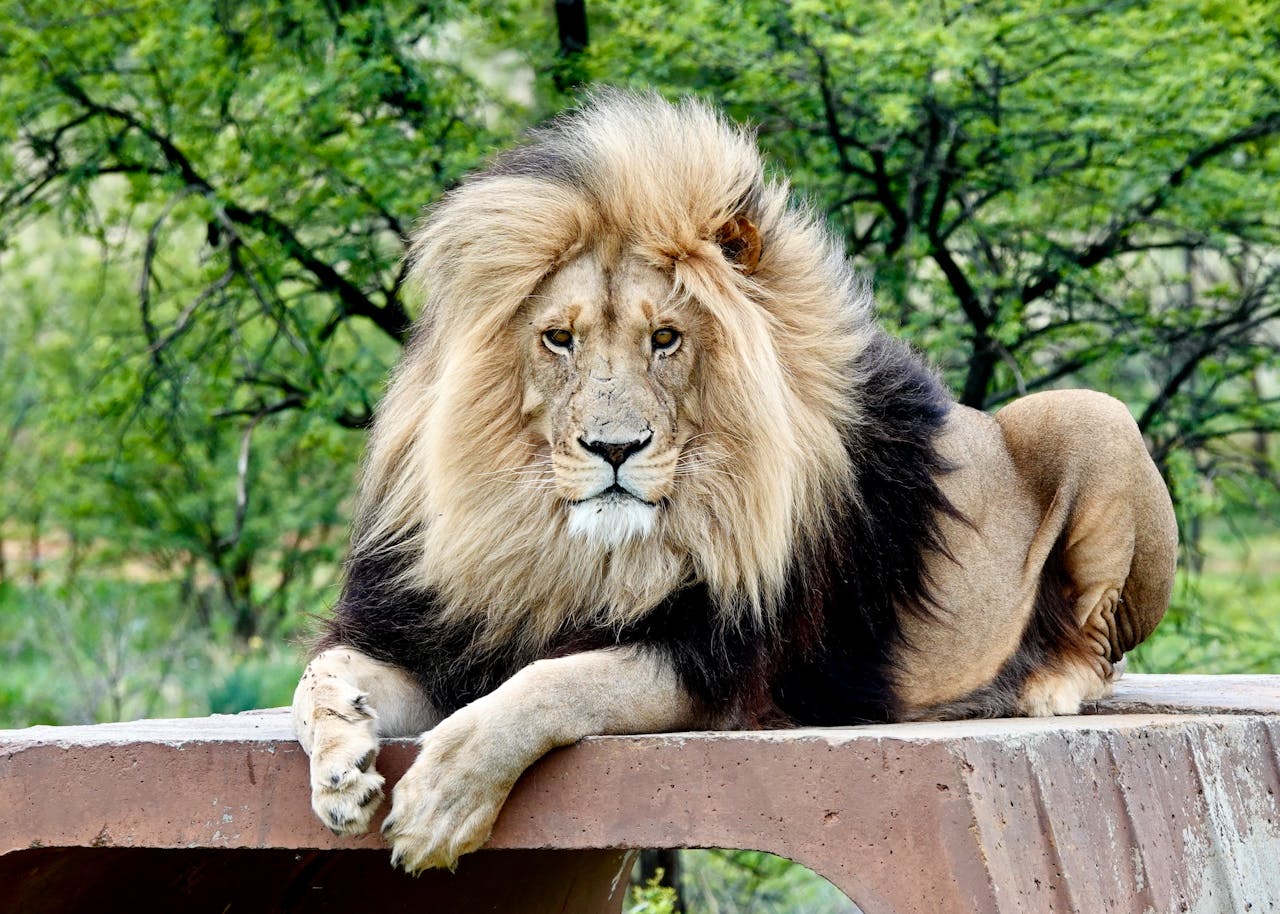
After more than 100 years of absence, lions may once again roam parts of the Arabian Peninsula. Saudi Arabia has announced plans to reintroduce lions as part of its broader environmental restoration and biodiversity conservation strategy, marking one of the most ambitious wildlife rewilding initiatives ever attempted in the Middle East. If successful, the effort would restore a lost apex predator and reshape ecosystems that have been without lions for generations.
The lion reintroduction plan is closely linked to Saudi Arabia’s Vision 2030, which emphasizes environmental sustainability alongside economic development. Through the Saudi Green Initiative and large-scale protected areas, the country is expanding nature reserves, restoring vegetation, and reintroducing native species such as the Arabian oryx, sand gazelle, and Nubian ibex.
Reintroducing lions represents the most complex step yet. As apex predators, lions help regulate prey populations, prevent overgrazing, and promote biodiversity. Conservation experts note that restoring top predators can trigger positive “trophic cascades,” improving ecosystem health far beyond the species itself.
The reintroduction of lions to Saudi Arabia is not merely about bringing back a species; it is about restoring ecological balance, reconnecting with natural heritage, and redefining the relationship between people and nature. While success is far from guaranteed, the initiative signals a bold commitment to conservation—one that could allow the roar of the lion to echo across Arabian landscapes once again.
Read the full story at The Green Blog