


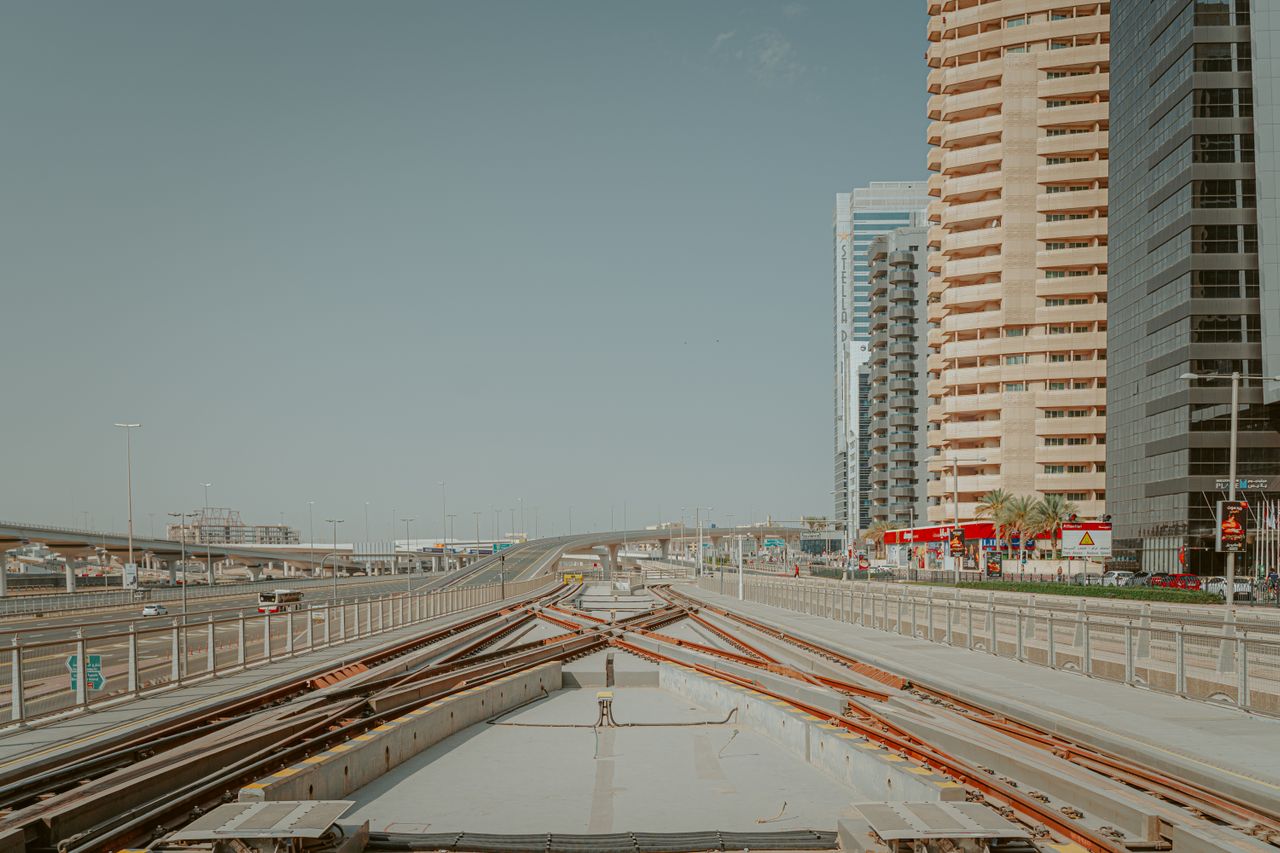
Emaar Properties is preparing to launch a $54 billion development in Dubai covering over 4.5 million square meters, designed for nearly 150,000 residents. The masterplan will combine residential towers, villas, offices, retail, hospitality, and community facilities, creating a self-contained urban hub. This approach aligns with broader trends in major cities, such as Grand Rapids’ downtown planning updates, where integrated mixed-use spaces are prioritized to sustain growth and vibrancy.
Dubai’s expansion and NEOM’s scale-back illustrate two contrasting strategies in delivering mega-projects. One prioritizes rapid, integrated growth to meet demand, while the other focuses on phased delivery to manage risk and expenditure. The choices may shape Gulf cities’ appeal to investors and determine how they compete in global infrastructure leadership.
If Dubai’s project achieves strong uptake, it could prompt similar large-scale developments regionally. NEOM’s reset could inspire more measured rollouts of giga-projects, balancing ambition with execution capacity. Both strategies offer lessons for future mega-projects worldwide on aligning vision with practical delivery.
Read the full story at MSN